Medical practices and GP surgeries
Medical Practice and GP Surgery Continuity Planning
Continuity planning for GP surgeries and medical centres that rely on clinical systems, telephones and vaccine fridges.
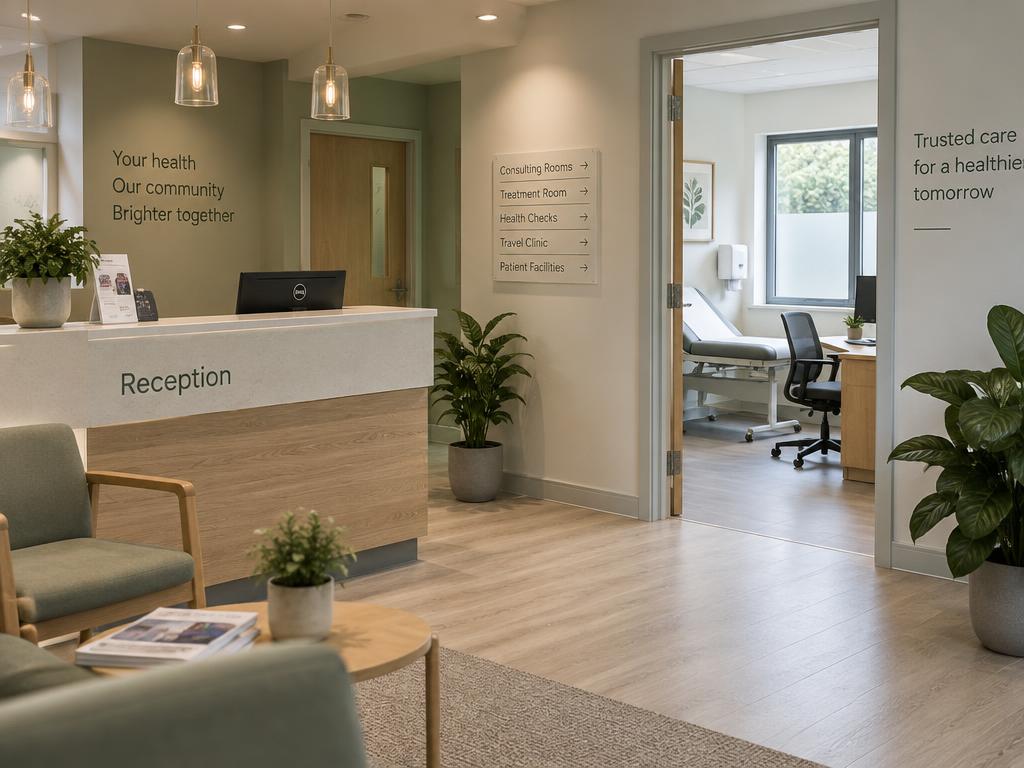
The operational picture
Where a small interruption becomes a whole-practice problem.
For a GP surgery or medical practice, an 08:00 systems failure meets a busy phone queue, urgent requests and a waiting room. The plan must protect clinical decision-making while giving reception an agreed way to manage the day.
Clinical records and prescribing
Understand what can be accessed safely when the clinical system is unavailable, and how the clinical team records decisions for later reconciliation.
Phones and triage
Document who takes urgent calls, how patients are prioritised and how the practice communicates if its normal phone service is down.
Vaccines and supplies
Know who checks fridge temperatures, where the monitoring record is kept and who makes stock decisions under the practice's clinical protocol.
Example scenario
Clinical system and phones down at the start of morning surgery
It's 08:00. The phone lines are ringing, the clinical system will not load and the first patients are arriving.
What stops working
- — No access to records, repeat prescriptions or the appointment list
- — Telephone triage and online consultation requests stop
- — Vaccine fridge monitoring and stock checks interrupted
- — Check-in screens and card payments may be unavailable
Questions your plan answers
- — How does reception know who is booked in and why?
- — How are urgent and acute patients safely triaged without the record?
- — How are urgent prescriptions issued and recorded?
- — How are the vaccine fridges protected and the temperatures logged?
Illustrative scenario for planning purposes. Operational continuity only — clinical decisions remain with your clinicians.
The first hour
A response the people on shift can actually follow.
We agree the decision points with your practice. These are illustrative steps, not a substitute for your own clinical protocols.
- STEP 01
The duty clinician sets the safe triage and prescribing arrangements; non-clinical staff do not improvise clinical decisions.
- STEP 02
Reception switches to an approved appointment view and records contacts and callbacks.
- STEP 03
The incident lead confirms system and phone recovery estimates, checks vaccine monitoring and coordinates patient updates.
What we put in place
From a rehearsal to a working response.
We start by walking through a realistic interruption, map the dependencies it exposes, and build a practical Operate-Through Plan around your team and site.
- ✓A dependency and impact view across triage, prescribing, records and phones
- ✓A first-hour action sequence with clear decision owners
- ✓Offline communication and supplier escalation details
- ✓A tested plan and evidence of team briefings
Start with a 60-minute scenario workshop.
See how your practice would cope — and leave with a clear list of what to fix first.